ACKNOWLEDGEMENTS
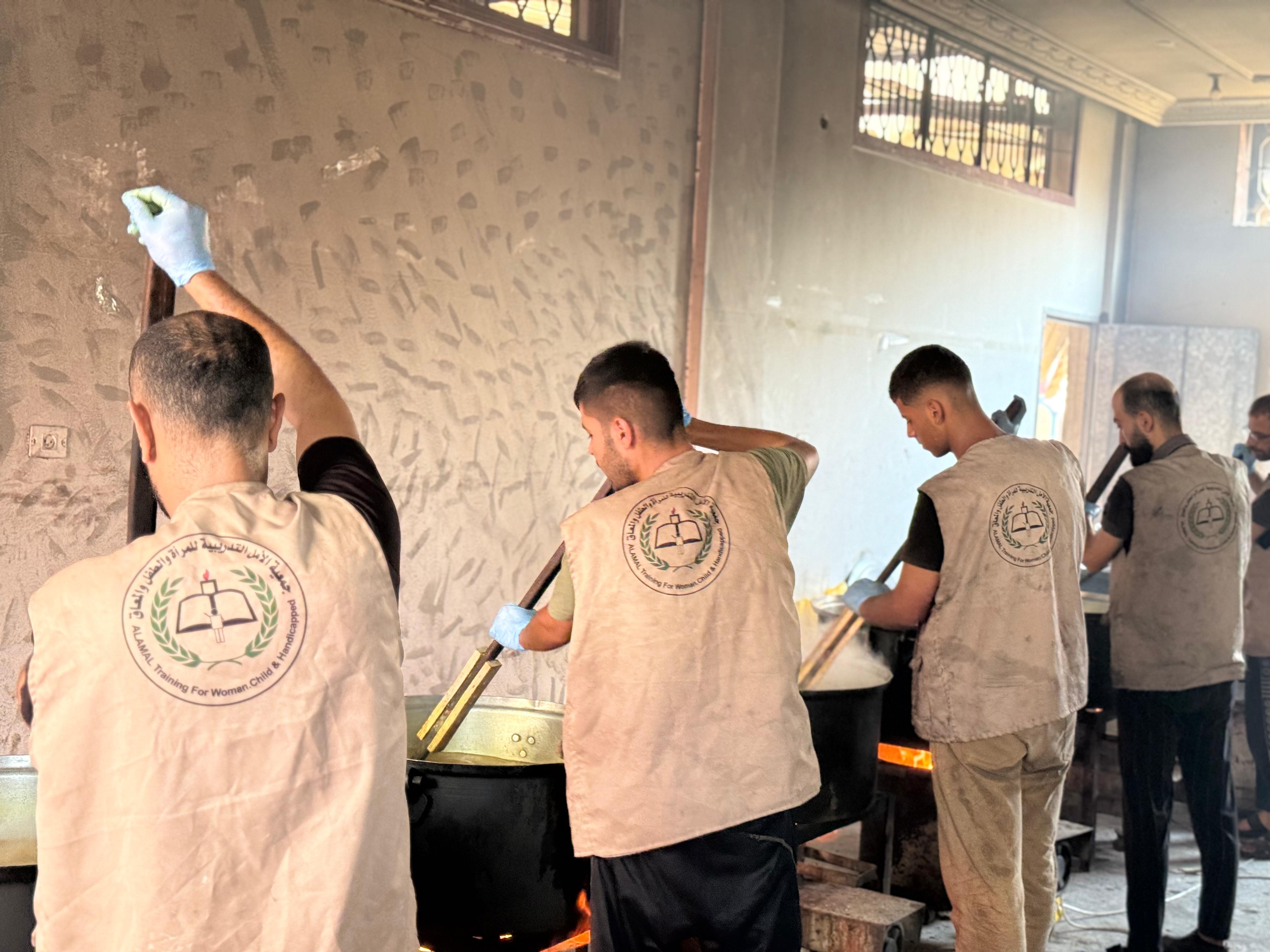
This evaluation was conducted with the dedication of Al-Amal Society’s project staff, field workers, volunteers, and mental health professionals. Special thanks go to the participating children and families whose courage and joy shaped the program. Gratitude is extended to LIFE organization and its donors.
EXECUTIVE SUMMARY
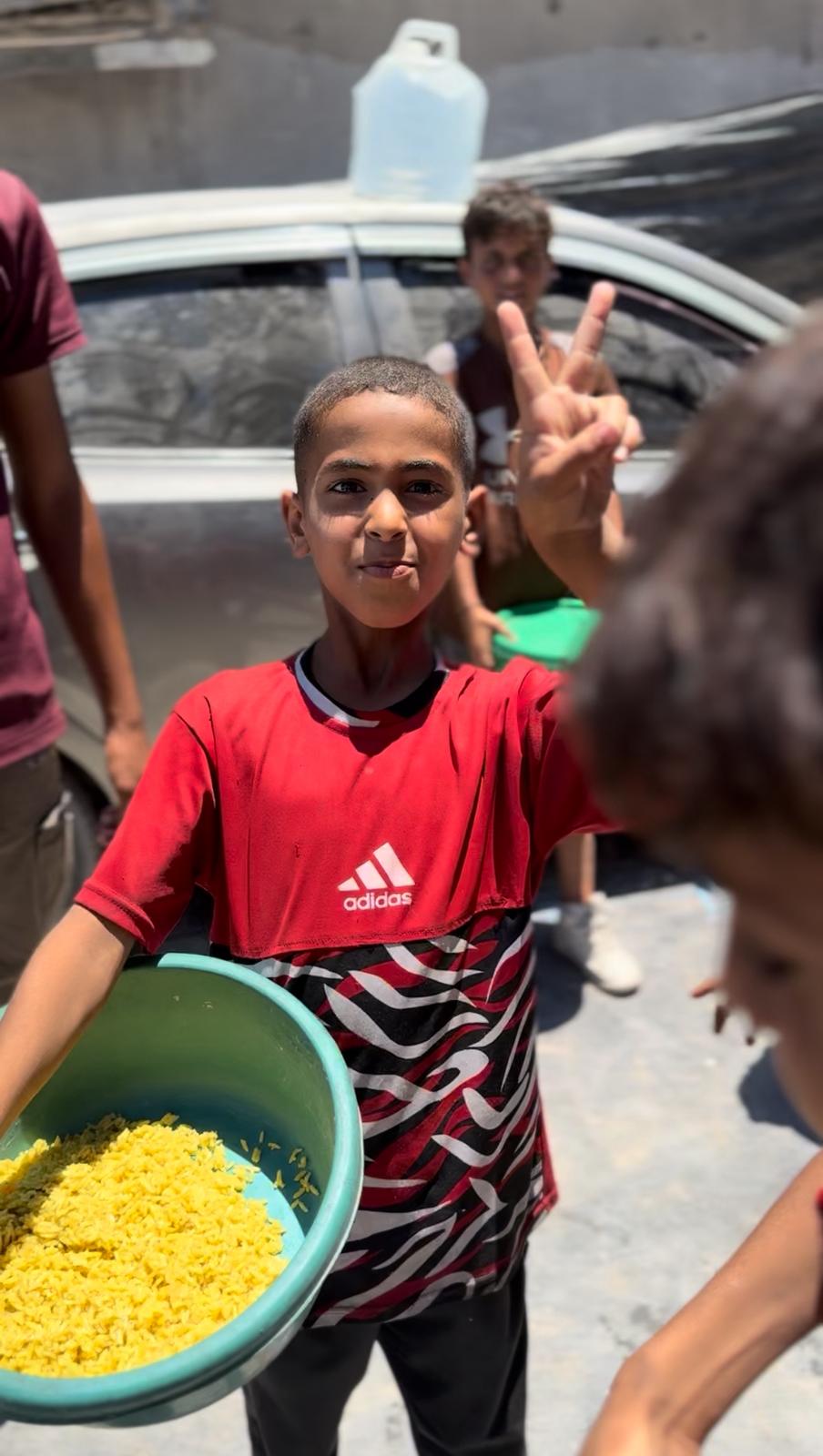
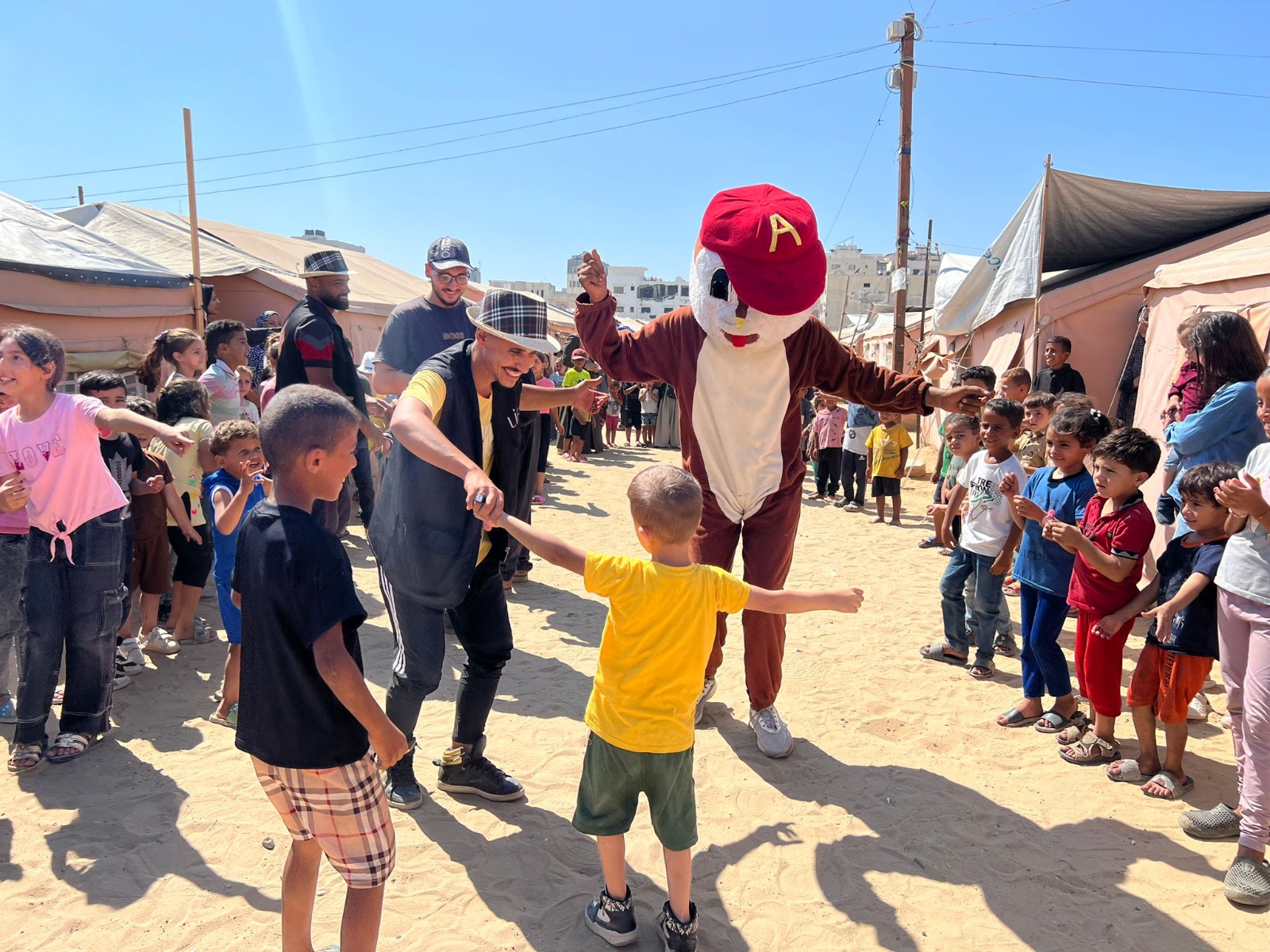
The “10 Days of Healing and Joy” project aimed to improve the psychological well- being and resilience of 1,000 children affected by the conflict in Gaza. Implemented over a short period, the project provided structured psychosocial support through play-based therapy, emotional expression activities, and community celebrations in child-friendly spaces. The project was implemented in 6 shelters in North Gaza where the displaced families from Jabalia, Beit Lahia and Beit Hanoun stay.
The final evaluation confirms that the project achieved its primary goal. Over 90% of children reported improved emotional well-being, and all 1,500 targeted children participated in PSS sessions. The evaluation used mixed methods (questionnaires, interviews, field reports) and found that access to targeted areas and a stable security environment enabled full implementation.
1. INTRODUCTION
1.1 Psychosocial Project in Gaza
Children in Gaza continue to face psychological trauma due to repeated exposure to violence, displacement, and loss. This project was a rapid-response initiative aimed at offering relief and recovery through psychosocial activities in a protected and joyful setting.
The “Healing Hearts Through Laughter: A Psychosocial Support Project for Children in Gaza”
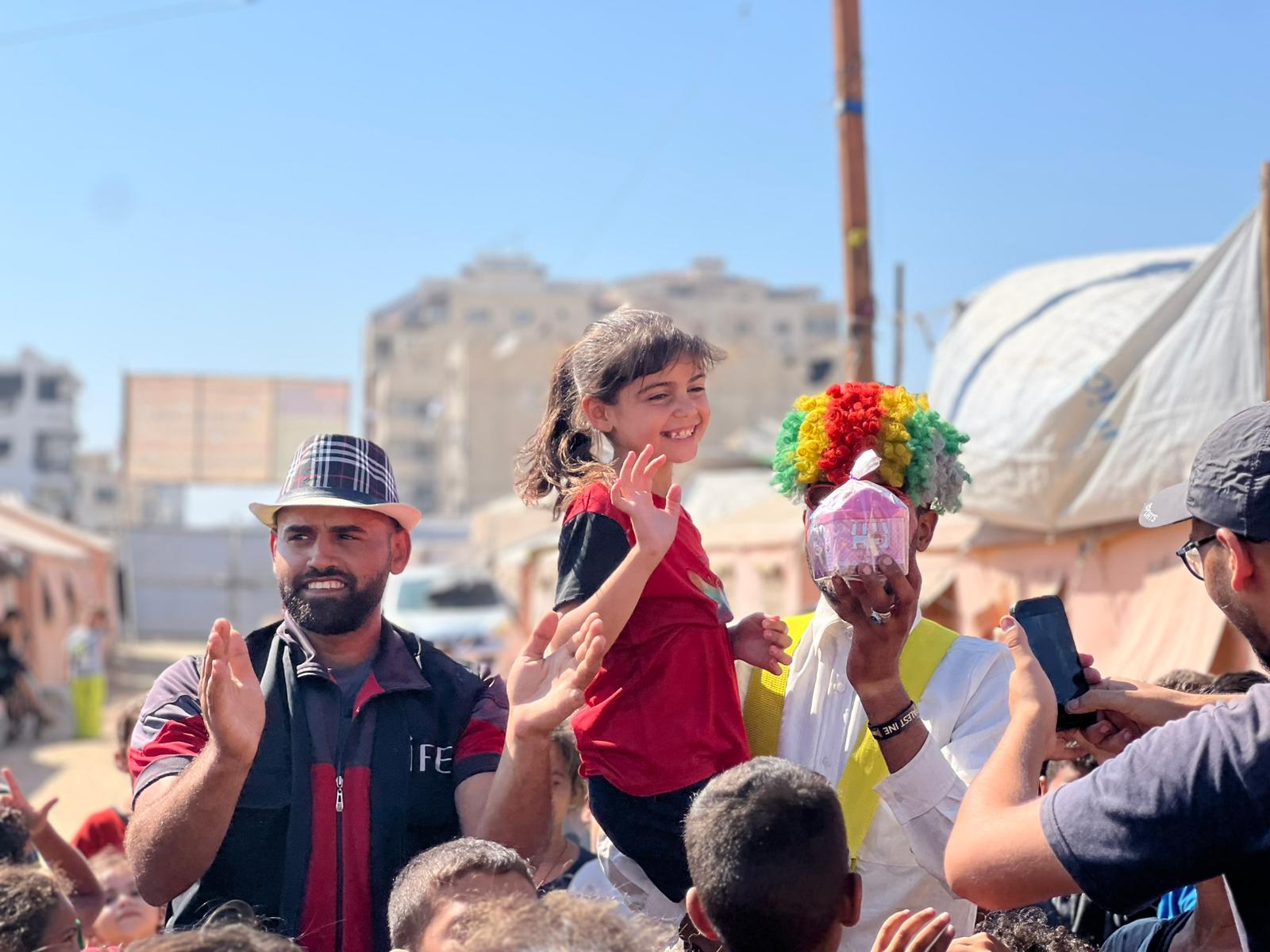
Project is a 10 Days of Healing and Joy: Psychosocial Support for Children in Gaza” is a short-term, high-impact intervention designed to support the emotional recovery and resilience of 1000 children affected by the ongoing conflict in Gaza. Over the course of 10 days, the project was planned to provide a safe, nurturing environment where children can express their emotions, build positive social connections, and experience joy through structured psychosocial activities, therapeutic clown performances, and culturally meaningful ceremonies.
The program combined daily group-based psychosocial support sessions with recreational therapy, including interactive clown shows and play-based learning. These sessions were facilitated by trained mental health professionals and volunteers, using child-friendly tools such as art, storytelling, music, and group games. The project also includes an opening and closing ceremony, creating a communal space for healing, celebration, and the rebuilding of hope.
Through this integrated approach, the project aimed to:
- Reduce the psychological burden of trauma and stress in children,
- Help them regain a sense of safety and normalcy,
- Reinforce emotional coping strategies,
- And promote resilience and community
By the end of the 10 days, it was planned that the children leave the program with joyful memories and small gifts, improved emotional expression, and the knowledge that they are not alone in their experiences. The project planned to lays the groundwork for continued psychosocial engagement through local partnerships and community involvement.
1.1.1 Project Goal:
To contribute in improving children’s psychological well-being and ability to cope with trauma following Gaza crisis”.
1.1.2 Project Objectives:
To provide psychosocial support for 1000 vulnerable children to enhance the well- being, resilience of children in child friendly spaces
The objective was planned to be achieved by:
1. Provide Emotional Support:
To help children process their emotions and trauma in a safe and playful environment, using psychosocial sessions facilitated by trained professionals.
2. Enhance Social Skills and Confidence:
To encourage positive social interaction, cooperation, and confidence through structured games, parties, and team-building activities.
3. Foster Creativity and Expression:
To allow children to express themselves and engage in creative play, through activities like drawing, music, and performance, to improve emotional health.
4. Promote Mental Health Awareness:
To educate both children and caregivers about mental health and well-being, reinforcing coping strategies through fun and interactive sessions.
5. Create a Joyful, Safe Space:
To provide children with an environment where they can forget their worries and simply be children again, with a focus on joy, laughter, and connection.
The project was implemented in North Gaza shelters were families from Jabalia, Beit Hanoun and Beit Lahia are displaced
1.2 Purpose and Objectives of Final Evaluation
The purpose of this final evaluation is to:
- Measure the extent to which the project improved children’s psychosocial
well-being.
- Assess whether the planned activities were implemented as
- Identify key successes, constraints, and recommendations for future
2. METHODOLOGY
2.1 Preparation
The evaluation was designed using the project’s M&E plan, focusing on goal, outcome, and output-level indicators.
2.2 Population of Study
The evaluation focused on 1,000 child participants, their caregivers, project facilitators, and community stakeholders.
2.3 Sample Selection
A representative sample of 200 children (20%), 30 caregivers, and 10 facilitators was selected for interviews and surveys.
2.4 Data Collection
Tools used: A simplified, age-appropriate questionnaire was used, in addition to behavioral observation and engagement during the sessions, and visual-based questions for younger children.
The goal of the questionnaire was to measure changes in general mood, sense of safety, and emotional expression before and after the sessions, field monitoring reports, and the service delivery summary report template.
2.5 Data Editing and Analysis
Quantitative data was analyzed for percentages of reported emotional well-being improvement. Qualitative feedback was categorized into thematic insights.
2.6 Participants in the Final Evaluation
200 children, 30 caregivers, 10 facilitators, and project M&E and management staff.
3. KEY FINDINGS
3.1 Preliminary Results:
- Children showed noticeable improvement in their ability to express emotions, particularly after the second and third sessions.
- Older children demonstrated positive engagement in group activities, reflecting an increased sense of belonging and cooperation.
- A decrease in signs of anxiety and stress was observed in a portion of the children compared to the first session.
- 1500 of children participated in sessions and entertainment
- 95% of the children reported feeling less scared or worried after participating in the sessions, suggesting that the psychosocial support activities had a direct calming effect.
- 97% of children actively took part in group games and recreational This reflects the child-friendly and engaging nature of the sessions.
- 89% of the children stated that they felt happier, safer, and more hopeful following the program. This demonstrates a strong emotional impact and a sense of security restored through the intervention.
- 90% of children reported improved interaction with peers, including making new friends and talking more with others, showing growth in social confidence and bonding.
- 89% of the children shared that they participated in talent shows or creative expression activities such as drawing, storytelling, or singing, showing a high level of comfort and involvement.
Overall Psychological Well-being:
92% of the children indicated a general improvement in how they felt emotionally, reflecting the success of the psychosocial approach in helping children process trauma and regain a sense of well-being.
3.1.2. Caregivers – Observed Changes in Children
- 80% of caregivers noticed that their children were sleeping better after participating in the program, suggesting relief from anxiety and emotional
- 83% reported that their children were less irritable and angry, indicating an improvement in emotional regulation and mood.
- 90% observed that their children played more with others and showed improved peer interaction after the sessions.
- 87% of caregivers stated that their children were more open about discussing their feelings, showing increased emotional awareness and
- 3 Facilitators – Professional Observations
- All facilitators (100%) confirmed that the children were highly engaged in the sessions and activities throughout the program.
- 90% observed that children became more expressive emotionally by the third day of the program, especially during drawing and storytelling
- 90% of facilitators reported that the sessions were implemented without significant logistical or behavioral issues, indicating strong planning and
- All facilitators (100%) noted that coordination with local partners and shelter management was effective, contributing to the smooth running of
3.2 Quantitative Findings
- Key Findings Against Key M&E Indicators
| Indicator |
Target |
Achievement |
Source |
| % of children reporting improved psychological well-being |
≥ 90% |
92% |
Interviews, questionnaires |
| # of children supported through PSS interventions |
1000 |
1500 children, 150% |
Field reports, attendance records |
| # of structured PSS activities conducted |
10 Days |
11 Days implemented fully (Additional day was implemented in the hospital for the children) |
Monitoring reports |
| # of recreational/entertainment days |
10 Days + 3 Trauma Coping Days |
13 total days |
Activity reports |
3.3 Qualitative Findings
Children reported feeling “happy,” “safe,” and “less afraid” after activities. Many mentioned enjoying drawing, clown shows, and storytelling the most. Caregivers observed improved sleep patterns, reduced irritability, and better peer interaction in their children. Facilitators noted that children were highly engaged, especially in sessions that allowed personal expression and teamwork. Challenges included occasional delays due to minor security alerts and access issues, managed without impact on the final schedule.
Children’s Feedback (Ages 6–14)
“Before, I was always scared to talk. But when we played the ‘feelings game,’ I learned that it’s okay to say I’m sad or angry.” Suha, 9 years old
“I loved the drawing and clown day. It was the first time in months I laughed without thinking about bad things. “Nour, 11 years old
“I made three new friends. We still talk every day. I wasn’t talking to anyone before this program.” Hamza, 10 years old
“I didn’t want to come the first day, but now I wish it didn’t end. I feel stronger, like I can be happy again.” Rania, 12 years old
Caregivers’ Feedback
“My son used to cry at night from fear. Since the sessions, he sleeps more peacefully and tells me what he dreams about.” Mother of Bahaa, 7 years old
“Before, my daughter didn’t want to play with her siblings. Now she draws pictures for them and laughs while playing.” Father of Hanaa, 6 years old
“We noticed our child became more calm. He now talks about his feelings. This has helped the whole family become closer.” Mother of Zaki, 10 years old
Facilitators’ Feedback
“By the third day, the children began opening up. You could see it in their drawings, less dark colors, more hopeful images.” Female Facilitator, PSS Specialist
“One boy shared a story of his lost home through puppets. It was the first time he talked about it. These activities are truly healing.” Male Facilitator, Clown & Theater Coach
“We saw a real transformation. Children who were silent in the beginning became leaders during team games.” Senior Psychosocial Worker
Age differences among children made it challenging to design unified activities. Some camps faced logistical difficulties related to session locations.
There is a need for greater involvement of parents to improve the effectiveness of the intervention.
- Scale-Up Duration: Extend future programs beyond 10 days to sustain behavioral improvements.
- Increase the number of sessions and extend the project duration to enhance its positive impact.
- Allocate separate sessions based on age groups (e.g., 3–6, 7–11, 12–15).
- Provide additional training to facilitators on addressing age-related differences and behavioral challenges.
This project, implemented by Al-Amal Training Association for Women, Child, and Handicapped, has made a positive difference in the lives of the targeted children by providing a safe and supportive space for expression and emotional release. The results highlight the importance of continuing this type of psychosocial intervention in displacement settings and humanitarian contexts.
7. ANNEXES
Annex 1: Log Frame
| Hierarchy of Objectives |
Indicators |
Means of Verification |
Assumptions |
|
Goal: To contribute in improving children’s psychological well-being and ability to cope with trauma following Gaza crisis”. |
| Goal: |
|
|
Security situation allowes for that
Access to targeted areas is maintained |
| To contribute in improving children’s psychological well-being and ability to cope with trauma following Gaza crisis”. |
At least 90% of the children report psychological well being improvement |
Interviews/ questionaires |
|
|
|
| Purpose/Outcome: To provide psychosocial support for 1000 vulnerable children to enhance the well-being, resilience of children in child friendly spaces |
| Purpose/Outcome: |
|
|
|
| To provide psychosocial support for 1000 vulnerable children to enhance the well-being, resilience of children in child friendly spaces |
1000 Children are suported by PSS interventions |
Interviews/ questionaires Field reports |
Security situation allowes for that
Access to targeted areas is maintained |
|
Output 1.1: Opportunities for safe play, expression, place of entertainment and recreation for children provided. |
|
Output 1.1: |
3 days Coping with Emotions and Trauma conducted |
Field monitoring reports
Services Delivery Summary Report Template |
Security situation allowes for that
Access to targeted areas is
maintained |
| Opportunities for safe play, expression, place of entertainment and recreation for children
provided. |
10 Days of Psychodrama sessions and recreational and fun days are conducted |
Field monitoring reports
Services Delivery Summary Report Template |
|
Annex 2: Monitoring and Evaluation Plan
|
Indicators |
Indicator definition |
Data Source & Methodology |
Frequency of data collection |
Who is responsible |
How will information be used and by whom |
|
Goal: To contribute in improving children’s psychological well-being and ability to cope with trauma following Gaza crisis”. |
|
At least 90% of the children report psychological well being improvement |
The children report that they have less suffering from trauma |
Interviews/ questionaires |
Final Evaluation |
Coordinator |
Project staff and M&E staff to reflect on evaluation findings to review and improve Project activities |
|
|
|
|
Field staff |
|
|
|
|
|
M&E staff |
|
| Purpose/Outcome: To provide psychosocial support for 1000 vulnerable children to enhance the well-being, resilience of children in child friendly spaces |
| 1000 Children are suported by PSS interventions |
The children enjoyed and benefited from PSS support |
Post-Service Monitoring (PSM) Survey
Services Delivery Summary Report Template |
End of the intervention |
Coordinator Field Staff M&E staff |
Project staff and M&E staff to reflect on evaluation findings to review and improve Project activities |
|
Output 1.1: Opportunities for safe play, expression, place of entertainment and recreation for children provided. |
| 3 days Coping with Emotions and Trauma conducted |
PSS sessions through different tools |
Post-Service Monitoring (PSM) Survey
Services Delivery Summary Report Template |
3 days |
Coordinator Field staff |
Project staff and M&E staff to reflect on evaluation findings to review and improve Project activities |
| 10 Days of Psychodrama sessions
and recreational and fun days are conducted |
Recreational days including psychodrams activities |
Post-Service Monitoring (PSM) Survey
Services Delivery Summary Report Template |
10 days |
Coordinator Field staff |
Project staff and M&E staff to reflect on evaluation findings to review and improve Project activities |
Annex 3: Questionnaire Items and Aggregated Results
- Children Questionnaire and Results
Below are the questions asked to child participants and the corresponding aggregated results from the 200 surveyed children.
| Indicator |
Question |
Yes |
No |
Sometimes
/ A Little |
% Yes |
| Reduced stress or fear |
Did the activities help you feel less scared or worried? |
190 |
10 |
– |
95% |
| Active participation
in group games |
Did you enjoy participating in group games and activities with other children? |
194 |
3 |
3 |
97% |
| Feeling happier, safer, and more hopeful |
Do you feel happier, safer, or more hopeful after joining the sessions? |
178 |
10 |
12 |
89% |
| Improved peer interaction |
Did you make any new friends or talk more to other children than before? |
180 |
20 |
– |
90% |
| Participation in talent shows |
Did you show your talent (drawing, singing, storytelling, etc.) during the
sessions? |
178 |
22 |
– |
89% |
| Improved psychological well-being |
|
|
|
|
92% |
2. Caregiver Questionnaire and Results
Caregivers were asked to evaluate observed changes in their children’s behavior after participating in the program.
| Indicator |
Question |
Yes |
No |
Somewhat |
% Yes |
| Improved
sleep patterns |
Did your child sleep better after attending the sessions? |
24 |
3 |
3 |
80% |
| Reduced irritability |
Did your child show less anger or frustration after the
program? |
25 |
2 |
3 |
83% |
| Better peer interaction |
Did your child play more with other children after the
sessions? |
27 |
2 |
1 |
90% |
| Increased emotional
expression |
Did your child talk more about feelings after the
sessions? |
26 |
3 |
1 |
87% |
3. Facilitator Questionnaire and Results
Facilitators provided their assessment based on session observations and child engagement.
| Indicator |
Question |
Yes |
No |
Partially |
% Yes |
| High child engagement |
Did most children actively participate in activities? |
10 |
0 |
0 |
100% |
| Improved emotional
expression |
Did children show improved ability to express emotions? |
9 |
0 |
1 |
90% |
| Smooth session implementation |
Were sessions implemented smoothly without major
issues? |
9 |
1 |
0 |
90% |
| Effective coordination with partners |
Was coordination with local partners effective? |
10 |
0 |
0 |
100% |
Annex 4: Daily Session Reports (Summary)
Each day included:
- Ice-breaker
- Psychosocial sessions focused on emotional awareness and
- Recreational activities such as clown shows, face painting, and
- End-of-day debrief with facilitators